Borrador inicial
USD 0.85
5 s · 480p
MODELO ACTUAL DREAMINA / BYTEDANCE
Audio nativo, salida hasta 4K, continuidad entre tomas y video guiado por referencias para anuncios, lanzamientos y contenido de marca con acabado cinematográfico.
Usa Seedance 2.0 cuando necesites el flujo principal actual de Dreamina Seedance: mejor continuidad que versiones anteriores, salida 480p/720p/1080p/4K, audio nativo en la misma generación y referencias multimodales para texto a video o imagen a video.

Ejemplo Seedance 2.0
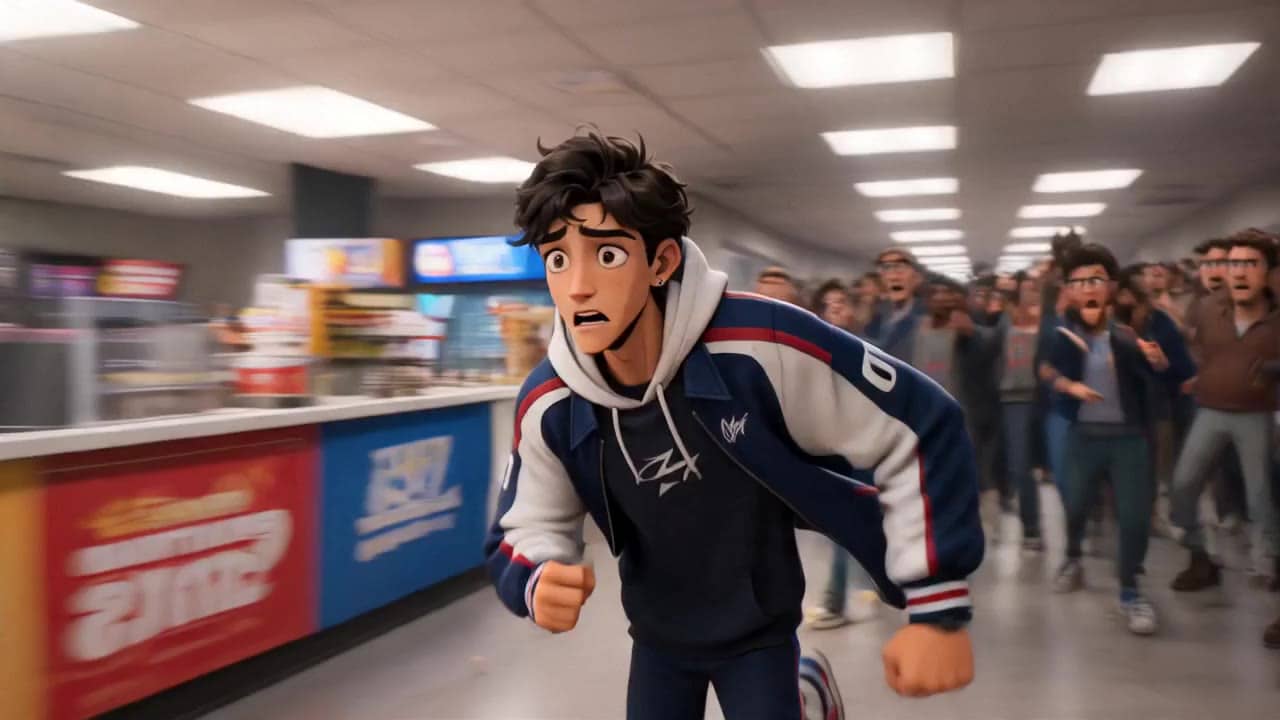
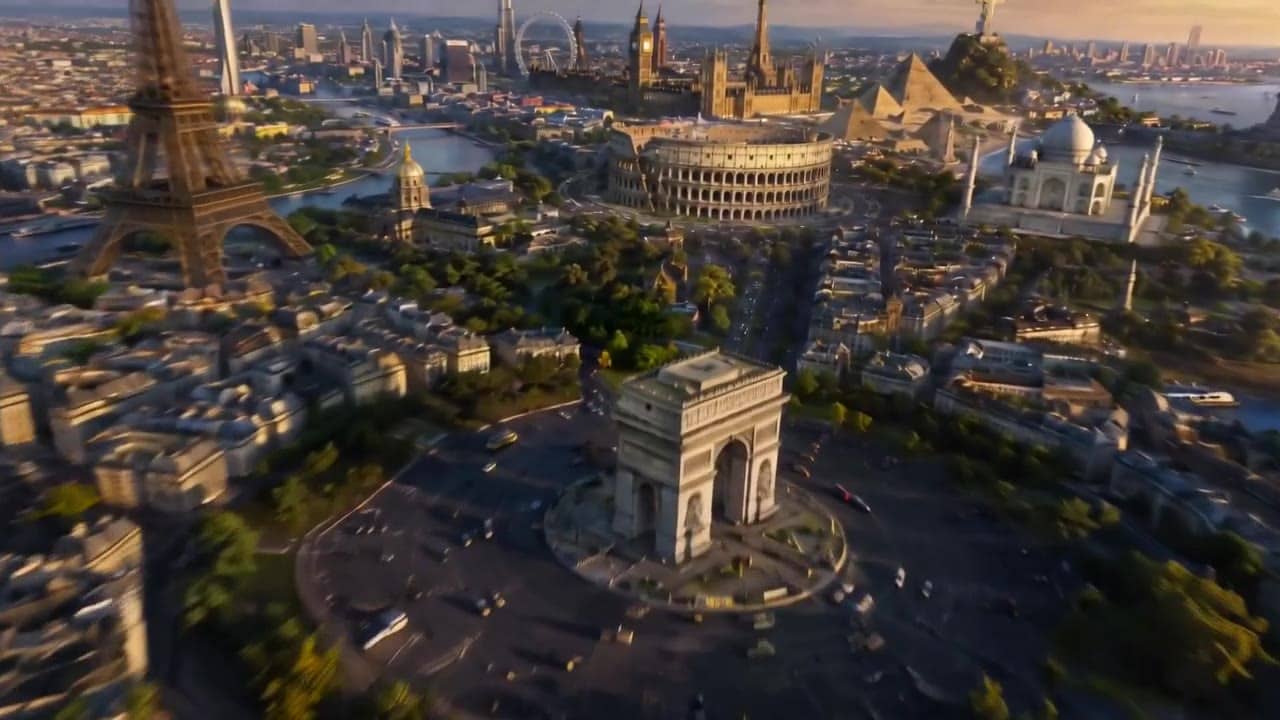
Secuencia cinematográfica con audio nativo
Audio nativo
Diálogo, ambiente y efectos de sonido generados en sincronía.
Continuidad entre tomas
Mantiene personajes, estilo y escena coherentes.
Guiado por referencias
Usa referencias compatibles para guiar el resultado.
Hasta 4K
Usa 480p, 720p, 1080p o 4K en la ruta Dreamina Seedance estándar.
Max 15 s
Hasta 15 segundos por generación.
Pago por uso
Ve el precio exacto antes de generar.
Precios totales 720p, 1080p y 4K por escenario. Consulta el precio exacto en la app antes de generar.
USD 0.85
5 s · 480p
USD 3.03
8 s · 720p
USD 9.36
Popular10 s · 1080p
USD 9.72
4K nativo
0 $ extra
Audio nativo incluido
15 s
Hasta 4K
Ejemplo de generación: 4 s · 720p · 16:9 · Texto a vídeo · Audio incluido — USD 1.52
Todos los precios son precios mostrados por MaxVideoAI en créditos USD para escenarios predefinidos.
Usa esta galería para revisar patrones de prompt, estructura de escenas y tipos de secuencias que Seedance 2.0 resuelve bien dentro de MaxVideoAI.
Mira qué es posible con Seedance 2.0 — modelo actual de Seedance para video con continuidad entre tomas y audio nativo.
Abre la app con un clic y reutiliza la configuración.
Compara Seedance 2.5 con Seedance 2.0 para video cinematográfico de 30 segundos, flujos de imagen y referencias, anuncios multi-shot, videos de producto y UGC. Mantén Seedance 2.0 para entregas 4K.
Usa Seedance 2.0 para piezas finales con audio nativo y continuidad entre tomas. Usa Fast para borradores más económicos y pruebas de ritmo.
Seedance 2.0 es el flujo actual para mayor continuidad entre tomas, audio nativo y más opciones de trabajo con referencias.
Empieza con plantillas de texto a video, imagen a video, referencias y continuidad entre tomas.
Seedance 2.0 funciona mejor cuando el brief está ordenado y el flujo es explícito. Empieza por Sujeto -> Acción -> Cámara -> Estilo, y luego decide si la toma debe salir solo del prompt, usar imagen inicial/final o apoyarse en referencias multimodales.
Fuente: Página oficial de Seedance 2.0
Usa el prompt para el brief de escena: sujeto, acción, cámara, estilo e indicaciones de audio.
Usa imágenes para guiar identidad, producto, estilo, composición o entorno.
Usa videos para guiar el ritmo del movimiento o de cámara cuando el flujo activo lo permita.
Usa audio para marcar ritmo, ambiente o intención emocional cuando el flujo activo lo permita.
Repite vestuario, props, ubicación, luz y pose final para mantener coherente la secuencia.
Úsalo cuando la toma nace del lenguaje y no de assets subidos.
Sujeto:
[Quién / qué aparece + 2-3 rasgos distintivos]

Acción:
[Una acción visible o beat principal]

Cámara:
[Tamaño de plano + ángulo + un movimiento + verbo de transición opcional]

Estilo:
[Luz + paleta + textura / sensación de lente]

Audio:
[Ambiente + 1-2 SFX + diálogo corto opcional]

Ejemplo:
Un repartidor con chaqueta amarilla empapada cruza un callejón nocturno. Salta un charco y mira atrás una sola vez. Cámara: plano amplio en tracking y luego breve close-up handheld. Estilo: reflejos mojados, luz azul fría, grano ligero. Audio: pasos rápidos, sirena lejana, una respiración corta.
Texto = generación pura desde un brief limpio.
Ejemplo: Un repartidor con chaqueta amarilla empapada cruza un callejón nocturno. Salta un charco y mira atrás una sola vez. Cámara: plano amplio en tracking y luego breve close-up handheld. Estilo: reflejos mojados, luz azul fría, grano ligero. Audio: pasos rápidos, sirena lejana, una respiración corta.
Use @[storyboard ref] as the authoritative director-approved storyboard blueprint for the sequence. Treat every storyboard panel as a consecutive shot within a single cinematic sequence. Follow panel order exactly and do not invent alternative coverage. Do not render the storyboard sheet itself. Preserve camera placement, framing, lens intent, shot scale, character staging, screen direction, environmental geography, action choreography, crowd escalation, and emotional progression shown by the storyboard. The storyboard is the primary source of truth for visual storytelling. Recreate the filmed animated sequence implied by the panels rather than the physical storyboard artwork.

Use @[character ref] as the authoritative C1 character reference.

TITLE: THE SNEEZE THAT LOST THE GAME

SUBJECT:
C1 is Milo Misshot, a stylish but unlucky young stadium spectator. He has a slightly nervous face, expressive eyes, messy dark hair, casual retro-sport streetwear, a jacket or hoodie with subtle graphic details, and an awkward “I swear I didn’t mean it” energy. He is not a criminal, not a villain, and not aggressive. He is simply the accidental cause of total sports chaos.

ENVIRONMENT:
Packed indoor basketball stadium during the final seconds of a championship game. Bright court lights, roaring fans, stadium seats, stairs, aisles, scoreboard, tunnel corridor, concrete concourse, exit doors, and finally the night exterior outside the stadium. The environment should remain consistent: same stadium, same crowd, same final-game atmosphere.

STYLE:
High-end animated sports comedy. Stylized 3D animation with cinematic lighting, expressive faces, exaggerated but believable acting, clean silhouettes, dynamic camera movement, and energetic crowd staging. Slight comic exaggeration. No photorealism. No real team logos. No real celebrity likeness. No blood. No injury. No physical violence. The crowd should feel angry and chaotic but still comedic.

EMOTIONAL GUIDANCE:
Valence: funny, tense, embarrassing, chaotic, ironic.
Arousal: quiet final-second suspense → explosive sneeze → missed shot shock → crowd realization → frantic chase → false escape → twist reveal.
The humor comes from perfect bad timing, facial reactions, crowd escalation, and Milo’s desperate attempts to escape.

AUDIO:
No background music. Use only diegetic ambience, foley, impacts, crowd sound, stadium reverb, sneaker squeaks, ball bounce, scoreboard buzzer, breath, sneeze, sudden silence, and crowd eruption.

PANEL BEATS:

P01:
Wide stadium shot. Final second of the basketball game. The arena is packed and tense. The scoreboard shows the last moment of the match. The player prepares for the winning shot. The crowd holds its breath.

P02:
Close-up on Milo in the stands. He is trying to stay completely silent, but his face tightens. His nose twitches. He is clearly fighting an unstoppable sneeze.

P03:
Extreme close-up. Milo suddenly sneezes explosively at the worst possible moment. The sneeze is exaggerated and comedic, with a sharp burst of air. Nearby spectators freeze in disbelief.

P04:
Cut to the basketball player mid-shot. The ball leaves his hands. The sneeze breaks his concentration at the exact release moment.

P05:
Close-up on the player’s face. His eyes widen. He knows the shot is now wrong.

P06:
Close-up of the hoop. The basketball hits the rim and bounces away. The miss is painfully clear.

P07:
Scoreboard close-up. Time hits zero. The game is lost by one point. Hold one tiny beat of total silence.

P08:
Crowd reaction. A wall of shocked faces turns toward Milo. Everyone realizes what just happened.

P09:
Close-up on Milo. He looks terrified, guilty, and confused. His tiny apologetic smile immediately disappears.

P10:
Wide shot from behind Milo. The crowd points at him all at once. Thousands of fans lock eyes on him.

P11:
Milo runs down the aisle. Handheld chase energy. He squeezes past seats, dodges foam fingers, popcorn, drinks, and angry pointing fans. Keep it comedic and non-violent.

P12:
The crowd chases him through the stands. Fast tracking shot. Milo runs in panic, jacket flaring behind him.

P13:
Milo bursts into the stadium concourse. Bright hallway lights, concession stands, posters, concrete walls, and reflective floors rush past. He looks back while running.

P14:
The angry crowd floods into the concourse behind him. Milo is ahead but barely. The chase feels fast, chaotic, and funny.

P15:
Milo reaches the stadium exit doors. He pushes through one door and escapes outside into the night. It looks like he has finally made it.

P16:
Outside the stadium at night. Milo stops, exhausted, breathing hard. For one second he thinks he escaped. Then he slowly looks up and freezes.

P17:
Reverse wide reveal. A much larger crowd is already waiting outside the stadium. They fill the street, silent and furious, holding signs, phones, foam fingers, and team scarves.

P18:
Close-up on Milo. His face collapses into pure panic. His mouth opens slightly, as if he wants to explain, but no sound comes out.

P19:
The outside crowd takes one synchronized step forward. Milo backs up into the closed stadium doors behind him. He is trapped.

P20:
Overhead wide shot. Milo is a tiny figure in the center, surrounded by a massive circular crowd. The crowd shape should be visually clear and graphic.

P21:
Close-up on a fan holding a sign that reads: WHO RUINED THE GAME? Keep it readable and comedic. No real team logos.

P22:
Medium shot. Milo raises both hands in a tiny apologetic gesture, guilty and helpless. The crowd leans in around him.

P23:
Final ultra-wide shot. Stadium exterior, street lights, huge crowd, Milo tiny in the middle, completely surrounded. Hold for the visual joke.

FINAL FRAME:
Milo stands frozen in the center of a huge angry crowd outside the stadium, hands raised, guilty and helpless. The final image should feel like a perfect ironic comedy twist: he escaped the stadium crowd only to find a bigger crowd waiting outside.

SFX:
tense crowd murmur, breath hold, explosive sneeze, ball release, rim clang, scoreboard buzzer, sudden silence, crowd gasp, angry crowd eruption, sneaker squeaks, feet on stairs, popcorn spill, hallway echo, door slam, night ambience, crowd step forward, sign rustle, nervous tiny breath, final low crowd roar.
Buenas prácticas, correcciones frecuentes y límites importantes para obtener mejores resultados con Seedance 2.0.
Dos versiones para necesidades distintas.
Ver detalles de Seedance 2.0 Fast →Compara precios, formatos y funciones de cada modelo antes de elegir.
Compara Seedance 2.0 vs Preparar referencias con Seedream en precio, resolución, audio, velocidad y estilo de movimiento.
Compara Seedance 2.0 vs Seedance 2.0 Fast en precio, resolución, audio, velocidad y estilo de movimiento.
Los formatos, ajustes y límites que conviene conocer antes de crear.
Las notas provider/model-family describen Dreamina Seedance 2.0 como un modelo unificado de audio y video multimodal.
Controles integrados y buenas prácticas para crear de forma responsable con Seedance 2.0.
Seedance 2.0 funciona mejor para videos pulidos de Seedance, anuncios con continuidad entre tomas, secuencias de marca, escenas guiadas por audio y producciones con referencias donde la continuidad importa más que generar borradores rápido.
Sí. La documentación de ByteDance y el nombre de producto Dreamina describen la familia API actual como Dreamina Seedance 2.0. En MaxVideoAI, esta página sigue siendo la ruta Seedance 2.0 estándar para renders finales.
Sí. Seedance 2.0 admite audio nativo, incluyendo diálogo, ambiente, música y efectos sonoros dentro del mismo flujo de generación.
Sí. La ruta estándar Dreamina Seedance 2.0 admite salida 4K. Seedance 2.0 Fast y Seedance 2.0 Mini siguen limitados por debajo de 4K.
Seedance 2.0 es la opción actual más fuerte para piezas finales con continuidad entre tomas, audio nativo y salidas más exigentes guiadas por referencias, mientras que Seedance 2.0 Fast conviene más para borradores económicos y comparaciones rápidas con Fast.
Usa Seedance 2.0 cuando necesites una continuidad entre tomas más fuerte, más opciones de trabajo con referencias y el flujo de producción actual de Seedance. Seedance 1.5 Pro sigue encajando en flujos anteriores más cortos y simples.
Diálogo, ambiente y efectos de sonido generados en sincronía.
Mantiene personajes, estilo y escena consistentes.
Controles de seguridad y filtros integrados.

Compara Seedance 2.0 vs Seedance 2.0 Mini en precio, resolución, audio, velocidad y estilo de movimiento.
Ver la ruta de valor Seedance 2.0 Mini ->Compara Seedance 2.0 vs LTX 2.3 Fast en precio, resolución, audio, velocidad y estilo de movimiento.
Comparar Seedance 2.0 vs LTX 2.3 ->Compara Seedance 2.0 vs Google Veo 3.1 en precio, resolución, audio, velocidad y estilo de movimiento.
Comparar Seedance 2.0 vs Veo 3.1 ->Compara Seedance 2.0 vs Kling 3 Pro en precio, resolución, audio, velocidad y estilo de movimiento.
Comparar Seedance 2.0 vs Kling 3 Pro ->Las notas provider/model-family destacan control cinematográfico, audio nativo, física más creíble, cortes multi-shot y hasta 15 segundos por generación.
Sí. Seedance 2.0 está especialmente bien orientado a salidas con varias tomas, transiciones guiadas y continuidad de escena en secuencias cinematográficas cortas.