
Stylized draft
$0.26
5s · 720p
PIKA TEXT-TO-VIDEO ROUTE
Text-to-Video social loops with stylized motion, seeds, negative prompts and silent 5s/10s output.
Use Pika 2.2 for prompt-led, silent stylized animation, variant testing and short social clips when the creative direction is anime, comic, pixel, toon or playful 3D.
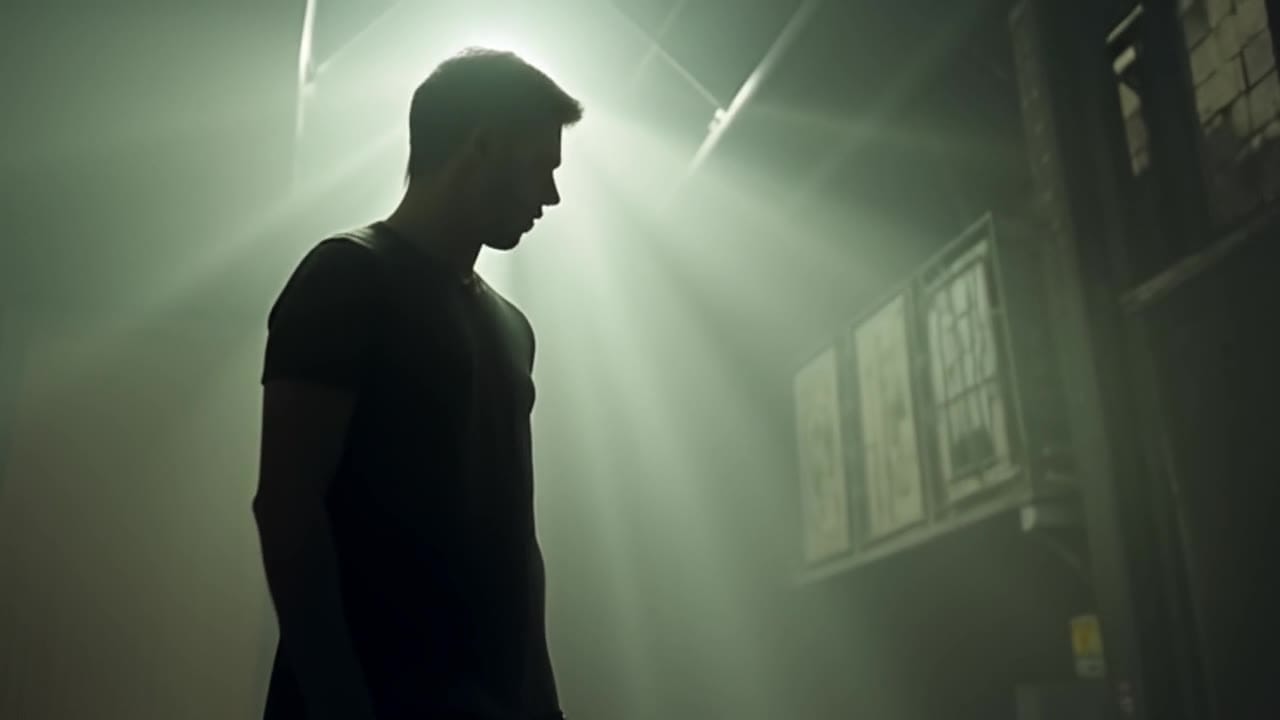
Pika 2.2 Text-to-Video example
Stylized silent social clip
Text-to-Video first
Start from a compact prompt when the idea is style, action and loop timing.
Stylized motion
Create anime, comic, pixel, toon or playful 3D movement.
Seeds
Reuse seed-driven variants when a style direction starts working.
Negative prompts
Exclude unwanted visual traits while testing a stylized direction.
5s or 10s
Keep clips compact for loops, social edits and motion tests.
Silent output
Add music, voice and SFX after the visual pass.
Preset stylized clip totals - see the exact live price in the app before you generate.
$0.26
5s · 720p
$0.52
Most popular10s · 720p
$1.17
10s · 1080p
10s
Up to 1080p
All prices are MaxVideoAI display prices in USD credits for preset scenarios.
Curated clips generated with the same settings you have in MaxVideoAI.
See silent Text-to-Video loops possible with Pika 2.2.
Open the app and reuse the prompt, aspect ratio and duration.
No soundtrack is generated here; add sound and voice later.
Keep a visual lane and block text, logos or artifacts.
Built for short clips, overlays and loops you can edit later.
Use Pika for stylized social loops and seed variants. Use Hailuo 02 for lower-cost physics and motion checks.
Lock subject, style, action and exclusions before testing variants with seeds.
Compare with LTX 2.3 Fast when you need a more general draft engine before production routes.
Pika performs best with stylized prompts, clear motion, and one camera move.
Source: Pika Labs
Write subject, action, style family and what to avoid in one compact prompt.
Name the art direction, palette and loop behavior instead of relying on reference-heavy setup.
Keep a useful seed and iterate prompts around the same visual lane.
List distracting artifacts, unwanted styles or text elements to avoid.
Use the related Pika image workflow only when one still must anchor composition.
Use 1–2 sentences when you want variations.
Prompt: [Style] + [Subject + action] + [Setting] + [Camera move] + [Lighting].
Negative: [text, logos, extra limbs, blur]
Prompt: [Style] + [Subject + action] + [Setting] + [Camera move] + [Lighting]. Negative: [text, logos, extra limbs, blur]
Subject: Tiny pixel-art wizard • Action: Stirs a glowing cauldron in a seamless loop
Camera: Locked medium shot, 1:1 composition • Style: Retro pixel art, warm palette, candlelight
Output: Silent clip, no text or logos
5s Pika 2.2 Text-to-Video loop in 1:1.
A tiny pixel-art wizard stirs a glowing cauldron inside a cozy cottage.
Locked medium shot, bubbles rising in a repeatable loop, books floating gently.
Warm 16-color palette, candlelight, chunky retro pixels, simple repeatable motion.
Negative prompt: text, logos, blur, extra characters, distorted hands.

Pika 2.2 shines when you lean into stylized looks, tight loops, and controlled iterations (seed + negative prompt).
Two routes, one series. Pick the right one for your stage.
View LTX 2.3 Fast details →These side-by-side comparisons break down price, resolution, audio, speed, and motion style so you can pick the right engine fast.
Each page includes real outputs and practical best-use cases.
Seedance 2.0 Fast is the draft-speed Seedance 2 tier on MaxVideoAI for faster iteration, shorter feedback loops, 480p/720p output, and quick text, image, and reference-based comparisons.
Compare Pika 2.2 vs Seedance 2.0 Fast →Generate fast, stylized motion from prompts or animate uploaded stills with MiniMax Hailuo 02. Ideal for testing motion concepts, loops, and storyboard passes—silent and budget-friendly via MaxVideoAI.
Compare Pika 2.2 vs MiniMax Hailuo 02 Standard →Generate fast AI video with LTX 2.3 Fast on MaxVideoAI. Text and image workflows support 6–20s clips, 1080p/1440p/4K, native audio, and 25/50 fps options.
Compare Pika 2.2 vs LTX 2.3 Fast →The limits that shape your renders.
Optimized for bold, social-first aesthetics over photorealism. It excels at playful motion and stylized textures.
Seed and negative prompts help keep a look stable across variants. For transformations, describe the start state, end state and transition clearly in the prompt.
Built-in safeguards and best practices for responsible creation with Pika 2.2.
No. Pika 2.2 in MaxVideoAI always outputs silent clips. Add sound in post or use an audio-capable engine when needed.
5s for punchy hooks and quick loops; 10s when you need a bit more room for build-up or parallax.
Yes. Choose 9:16 for TikTok, Reels, Shorts and Stories; keep the subject centered for safe crops.
Reuse a seed to keep iterations related; use negative prompts to block text/logos/extra characters/watermarks.
For photoreal people/products or built-in sound, use Sora 2 or Veo 3.1; for sound-ready short clips, consider Wan 2.5.


