
Watch a Seedance 2.0 vertical storyboard-to-video dialogue scene example with multi-shot pacing, native audio and cinematic bar staging.
This Seedance 2.0 storyboard-to-video example uses a visual reference image to generate a vertical 9:16 cinematic dialogue scene with multi-shot structure, native audio and character interaction. Use it as a reference for AI video workflows where the storyboard defines the actors, setting, shot composition and dramatic tone before Seedance turns it into a structured dialogue-driven scene.
Source images
Visual workflow context
Editorial notes for the source images and visual reference workflow.
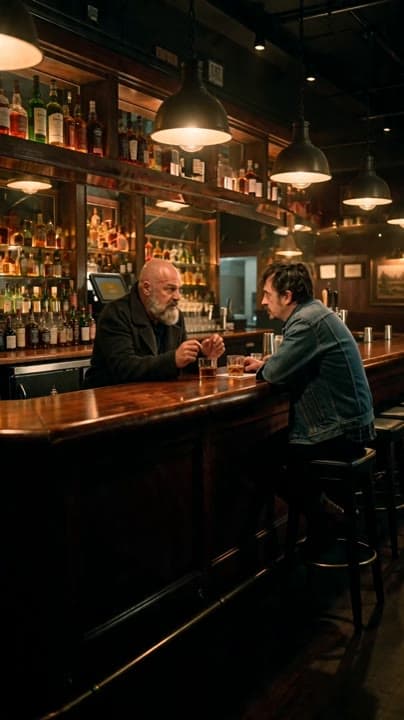
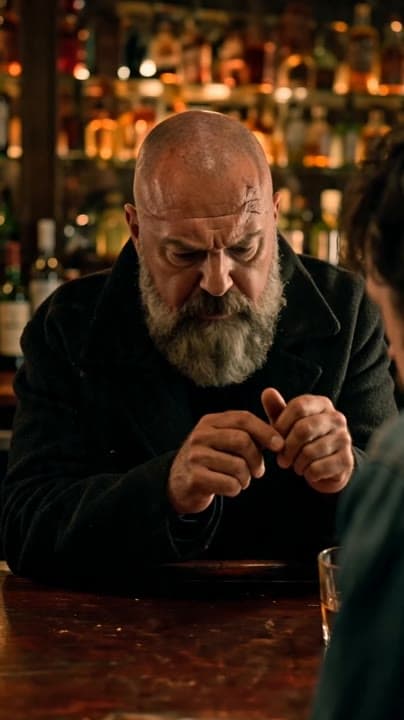
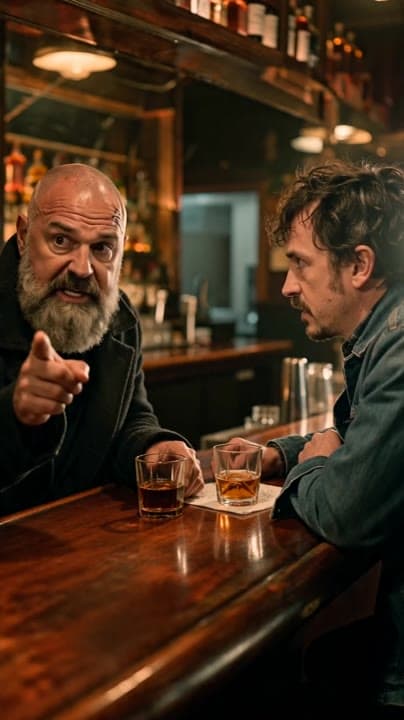
Use the attached reference image as the visual source for this video. Follow the reference closely for the characters, bar location, costumes, lighting, camera angles, and cinematic mood. Do not redesign the characters. Do not change the setting. Animate the scene naturally from...Show full contextHide full context
Use the attached reference image as the visual source for this video. Follow the reference closely for the characters, bar location, costumes, lighting, camera angles, and cinematic mood. Do not redesign the characters. Do not change the setting. Animate the scene naturally from the reference image. Create a vertical 9:16 photorealistic cinematic live-action short dialogue comedy scene set in an old warm bar at night. The two men are sitting at the bar and trying to say a complicated proverb in English, but they keep confusing themselves. The humor should come from serious faces, awkward pauses, subtle reactions, confused eye contact, and realistic deadpan acting. Keep the same two clearly different characters from the reference image throughout the whole video. Character A is the large burly man: late 50s, shaved head, thick gray beard, heavy dark coat, calm but stubborn expression, serious and intimidating but slightly confused. Character B is the thinner nervous man: mid 40s, messy dark hair, thin moustache, denim jacket, expressive anxious eyes, talks with his hands, more animated than Character A. The scene should follow the reference panels in order, like a cinematic shot / reverse shot dialogue sequence: Shot 1: Wide two shot at the bar. Both men sit side by side at the wooden bar counter. They lean in seriously over their drinks, as if discussing something extremely important. Character A begins the proverb with total confidence. Dialogue: MAN A: “Listen. You can fool a thousand people once…” Shot 2: Over-the-shoulder on Character B. Keep Character A blurred in the foreground and Character B in focus. Character B raises one finger, trying to correct the sentence, but becomes unsure halfway through. His confidence fades. Dialogue: MAN B: “…but you can’t fool one person a thousand times?” Shot 3: Reverse over-the-shoulder on Character A. Keep Character B blurred in the foreground and Character A in focus. Character A frowns, looks down into his drink, counts on his fingers, pauses, and realizes he has confused himself. Dialogue: MAN A: “No, wait. You can fool one person… a thousand people… no, that’s worse.” Shot 4: Top-down insert on the bar counter. Show the wooden bar, two whiskey glasses, a napkin, a pen, and messy abstract number-like scribbles. The scribbles should be abstract and unreadable, not real text. Both men’s hands point at the napkin like they are solving a serious problem. Dialogue: MAN B: “Are we warning him… or doing math?” MAN A: “Both, apparently.” Shot 5: Medium two shot final beat. Both men stop trying to say the proverb. Long awkward pause. Character A slowly points off-screen toward someone we never see. Character B follows his look and nods, relieved to abandon the proverb. Dialogue: MAN A: “Forget the proverb.” MAN B: “Yeah.” MAN A: “Just don’t trust that guy.” Camera style: Use classic cinematic dialogue coverage: wide two shot, over-the-shoulder, reverse over-the-shoulder, insert shot, final medium two shot. Slow subtle push-ins only. Natural handheld realism if needed. No fast cuts, no chaotic movement. Acting style: Realistic, subtle, dry comedy. The men should not overact. Use small pauses, confused looks, finger counting, slight nods, awkward silence, and serious expressions played for comedy. Visual style: Photorealistic cinematic bar scene, warm amber practical lights, old wooden counter, bottles in the background, shallow depth of field, muted browns and deep greens, textured skin, natural 35mm film grain, realistic faces, believable body language. Audio: Low bar ambience, faint glass clinks, soft room tone, tiny awkward pauses before punchlines. Dialogue should feel natural and conversational. Important restrictions: No subtitles. No text on screen. No speech bubbles. No captions. No comic-book style. No illustration. No cartoon. No anime. No exaggerated expressions. No new characters. No bright white background. No readable writing on the napkin. Keep everything realistic and cinematic.
Workflow
Reference to video
Camera
Image To Video
Output
15s · 9:16 · 720p
Recorded render cost
$5.90
Audio
Enabled
Constraints
Reference To Video, Audio Enabled, Reference Images
Reference images
1
Prompt improvement notes
Note 1
Keep the subject, camera move, lighting, duration, aspect ratio and audio requirement grouped so the render has one clear production brief.
Note 2
Change one variable at a time when cloning this prompt: model, duration, camera motion or reference input. That makes quality and price differences easier to compare.
Note 3
Add a short negative prompt if you need to block text overlays, logos, distorted hands, face warping or unwanted camera shake.
Compare this model
Review this example beside nearby engines before choosing a render path.
Why Seedance 2.0 fits this shot
Seedance 2.0 by ByteDance: cinematic AI video with native audio, realistic physics, director-level camera control, 480p/720p/1080p/4K output, and text, image, and reference workflows.
Image input
Audio option
Motion controls
Key frames
Related examples
View all examples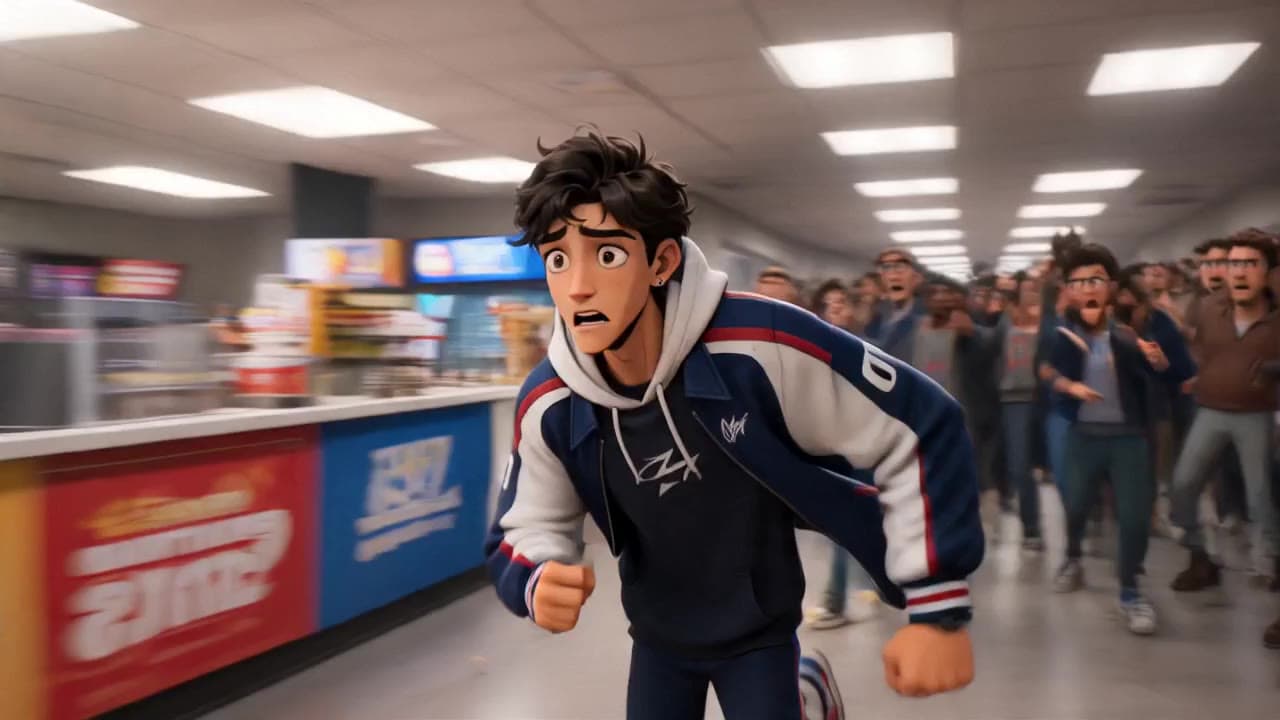 Seedance 2.0
Seedance 2.0 storyboard-to-video animated short with dialogue
This Seedance 2.0 storyboard-to-video example uses visual reference frames to generate a short animated chase scene with cartoon-style characters, cinematic staging, native audio and dialogue. The sequence turns a planned storyboard into a structured 3D animated short with scene continuity, character action, crowd movement and fast narrative pacing. Use it as a reference for AI animated shorts, storyboard-driven video workflows and dialogue-based animation examples.
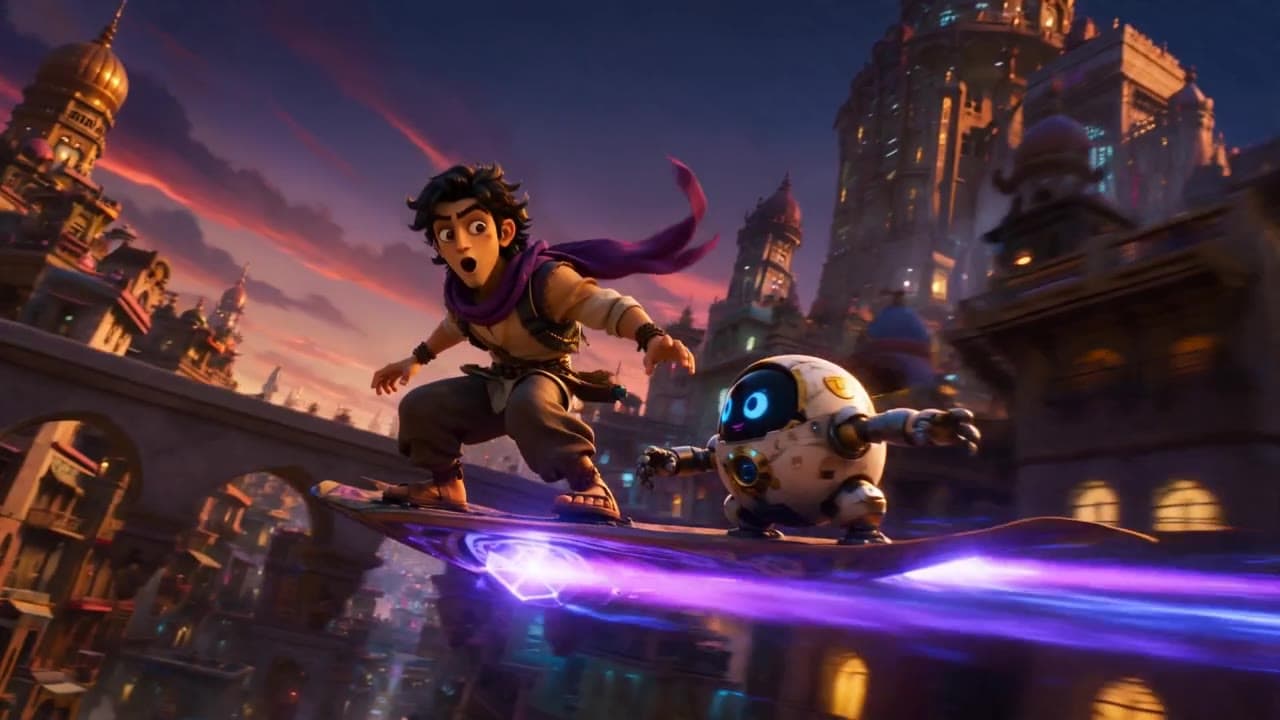 Seedance 2.0
Seedance 2.0 storyboard-to-video 3D animation example
This Seedance 2.0 storyboard-to-video example uses a visual storyboard reference to generate a short 3D animated sequence with multi-prompt scene structure, native audio and dialogue. Use it as a reference for AI animation workflows that need stronger visual continuity than a single text prompt, including character action, scene progression, cinematic staging and animated storytelling.
 Kling 3.0 Omni Standard
Kling 3.0 Omni Storyboard-to-Video Animation Example
This Kling 3.0 Omni Standard storyboard-to-video example uses visual reference frames to generate a short animated scene with a girl flying past a large building while holding a red umbrella. The sequence combines storyboard-driven composition, cinematic camera movement, character animation, atmospheric lighting and native audio. Use it as a reference for AI animation workflows, storyboard-based video generation, animated short prompts and visually guided character action scenes.
 LTX 2.3 Pro
LTX 2.3 Pro anime sword attack image-to-video example
This LTX 2.3 Pro draft uses a first-frame image to animate an anime sword attack with water effects, forward camera motion, sharp character detail and 16:9 framing.