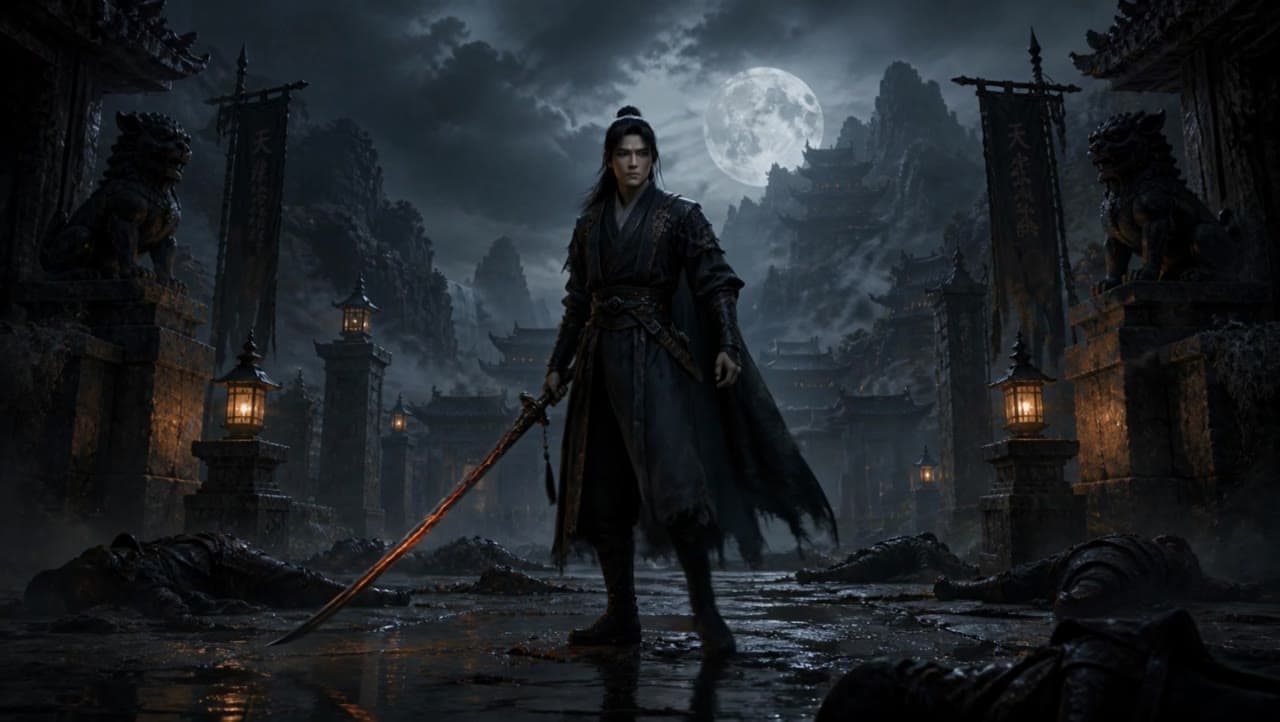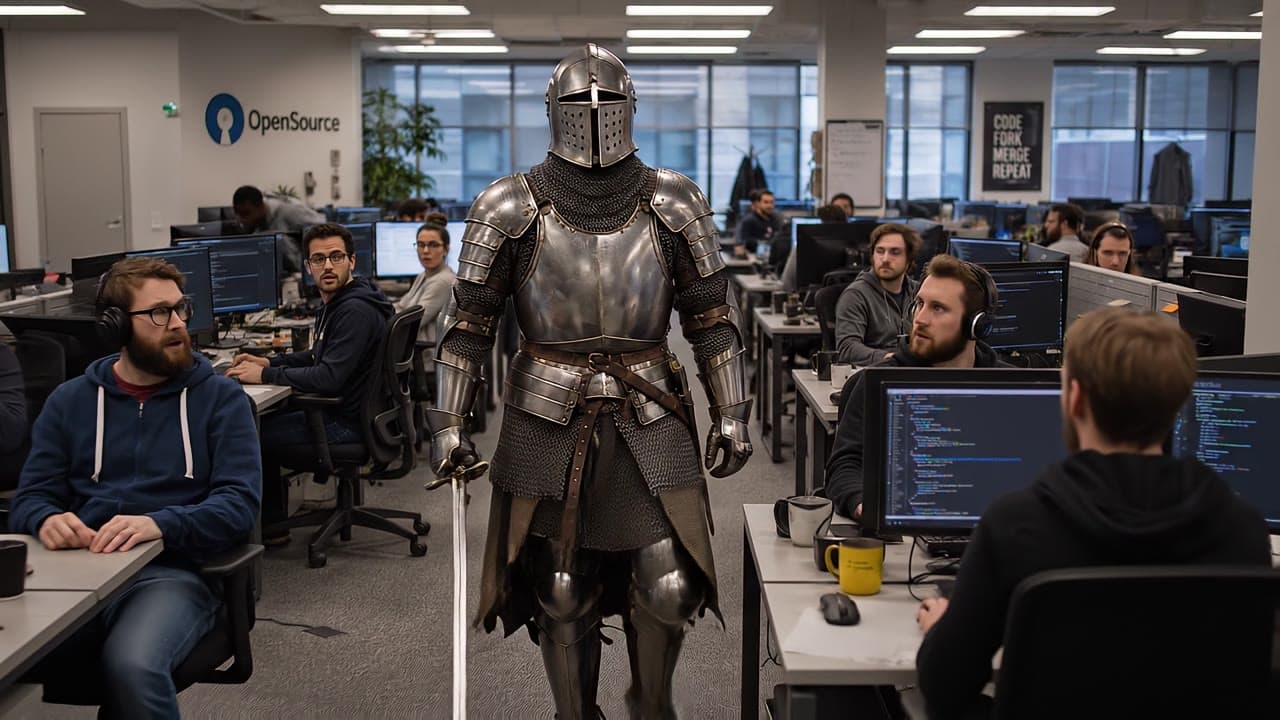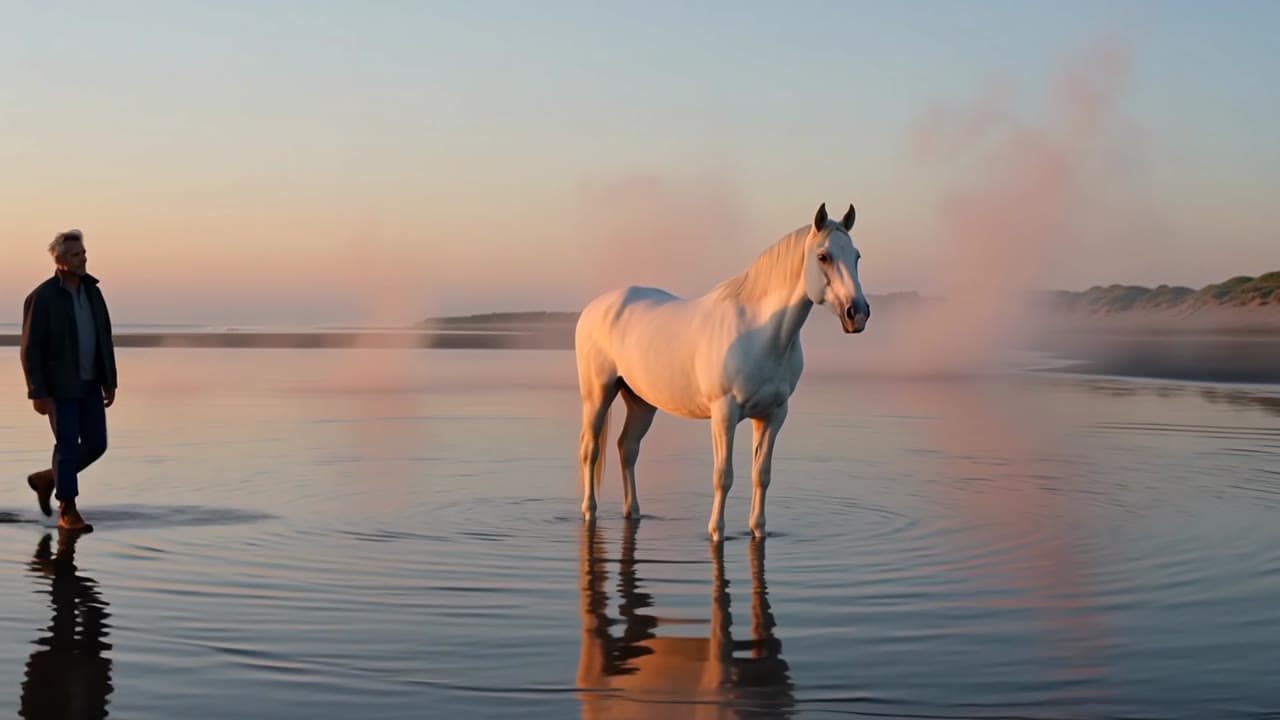






Top pick8.4
1
Seedance 2.0
ByteDance
Best fit
Camera language and lighting
- Strong camera language and lighting
- Good natural motion physics
- Practical high-end visual polish
Best for
Compare Seedance 2.0, Kling 3 Pro and Google Veo 3.1 for cinematic ai video generator before spending credits.
Seedance 2.0
Best overall
Best balance of camera language and lighting for cinematic camera direction.
8.4
Score
Kling 3 Pro
Natural motion physics
Strong option for natural motion physics for cinematic camera direction.
8.2
Score
Google Veo 3.1
High-end visual polish
Useful when you need high-end visual polish for cinematic camera direction.
7.9
Score
Model cards use the same visual language as the model pages, with the strongest engines shown first.
Scores combine quality, control, consistency, and cost efficiency.
ByteDance
Best fit
Camera language and lighting
Kling by Kuaishou
Best fit
Natural motion physics
Best fit
High-end visual polish
Alibaba
Best fit
Camera language and lighting
Luma AI
Best fit
Natural motion physics
Best balance of camera language and lighting for cinematic camera direction.
Best overall
Strong option for natural motion physics for cinematic camera direction.
Natural motion physics
Useful when you need high-end visual polish for cinematic camera direction.
High-end visual polish
Useful when you need camera language and lighting for cinematic camera direction.
Camera language and lighting
Useful when you need natural motion physics for cinematic camera direction.
Natural motion physics
Preview real output direction before making a decision.
Seedance 2.0 is useful when camera language and lighting matters for cinematic realism, with a clear path to compare quality, cost, and workflow fit before final delivery.
Kling 3 Pro is useful when natural motion physics matters for cinematic realism, with a clear path to compare quality, cost, and workflow fit before final delivery.
Google Veo 3.1 is useful when high-end visual polish matters for cinematic realism, with a clear path to compare quality, cost, and workflow fit before final delivery.
Happy Horse 1.1 is useful when camera language and lighting matters for cinematic realism, with a clear path to compare quality, cost, and workflow fit before final delivery.
Cinematic AI video is not just "realistic output." The stronger model is the one that can hold a believable camera move, coherent lighting, stable bodies, clean environments, and a clear visual intention. For MaxVideoAI users, the practical question is: which engine gives you the best chance of a film-like shot before you spend credits on multiple retries?
Seedance 2.0 is the strongest cinematic default when you want motion quality, references, and native audio in a flexible generation workflow. It works well when the best output comes from anchoring the scene with a few constraints: camera move, subject, lighting, environment, and sound.
Kling 3 Pro beats Happy Horse on realism, image quality, and movement when the shot needs a planned cinematic sequence rather than a single mood pass. Its multi-prompt structure lets you break a clip into scenes, and Kling Elements can help keep a character, prop, or product stable across those beats.
Veo 3.1 is a strong alternative for ad-ready cinematic clips. It is especially useful when you want one polished shot from a prompt or image reference, with native audio available when sound design matters. It is less of a storyboard engine than Kling 3 Pro, but it is efficient for cinematic review loops.
Happy Horse 1.0 remains a useful unified workflow model. It covers text-to-video, image-to-video, R2V reference images, and video editing with native audio and lip-sync, but after runtime tests it should be treated as a flexibility pick rather than the top realism or motion-quality pick.
For most MaxVideoAI workflows, start with Seedance 2.0 for flexible cinematic references and stronger motion quality. Use Kling 3 Pro for controlled multi-shot direction, Veo 3.1 for polished ad-style output, and Happy Horse 1.0 when unified audio/reference/edit modes matter more than pure realism.
Kling 3 Pro is better when you need a planned multi-shot sequence with Elements and scene labels. Seedance 2.0 is often better when you need a broader reference-to-video workflow with native audio and flexible inputs.
Use 4K for final delivery, not early exploration. For the 4K-specific decision, see Best 4K AI video generator.