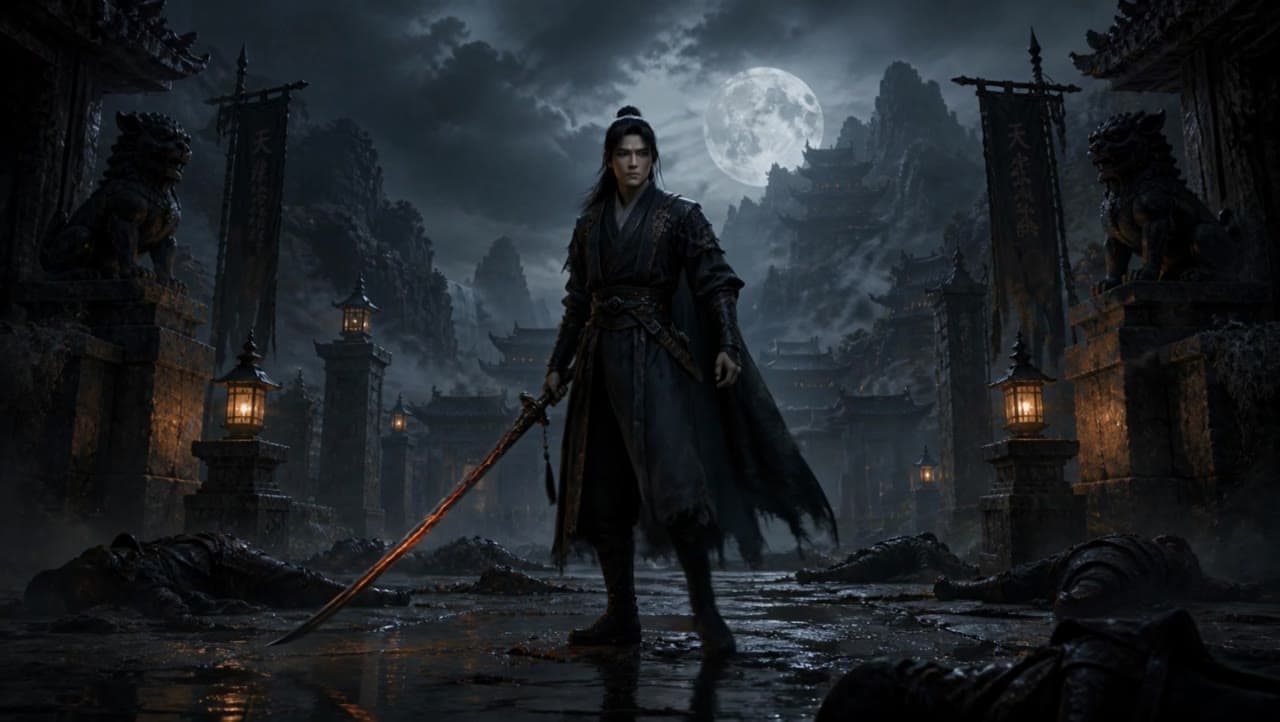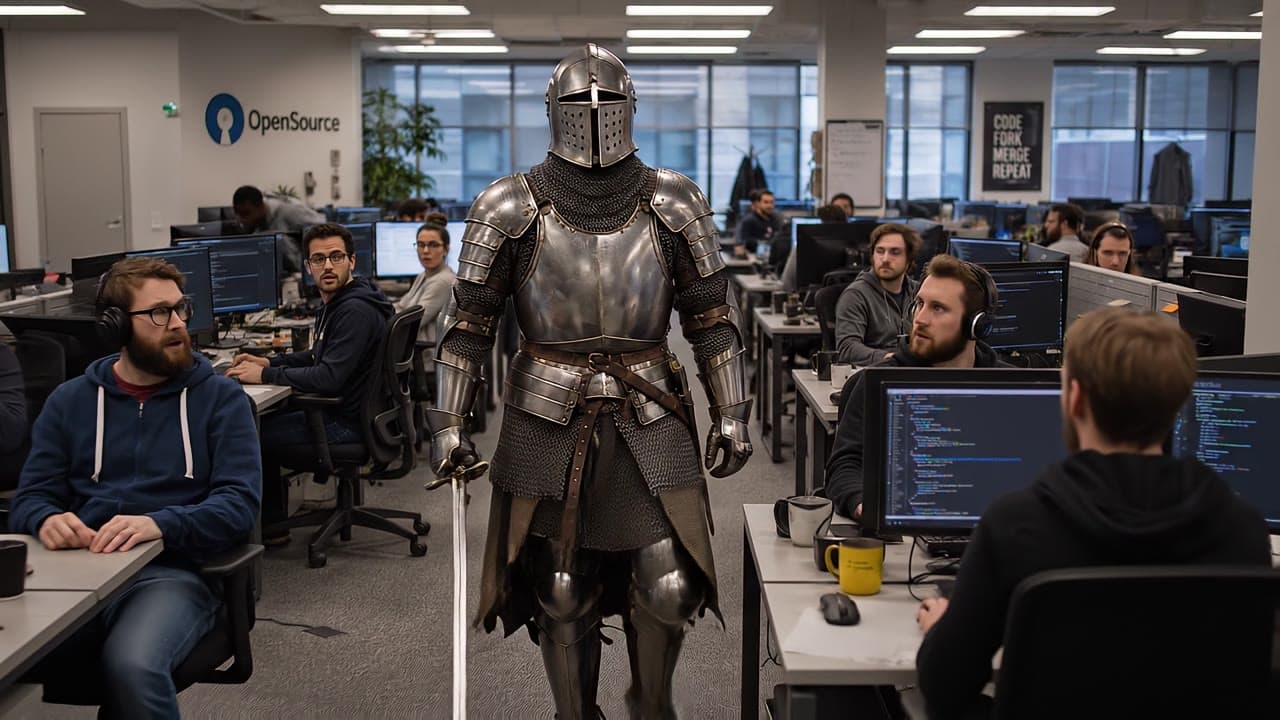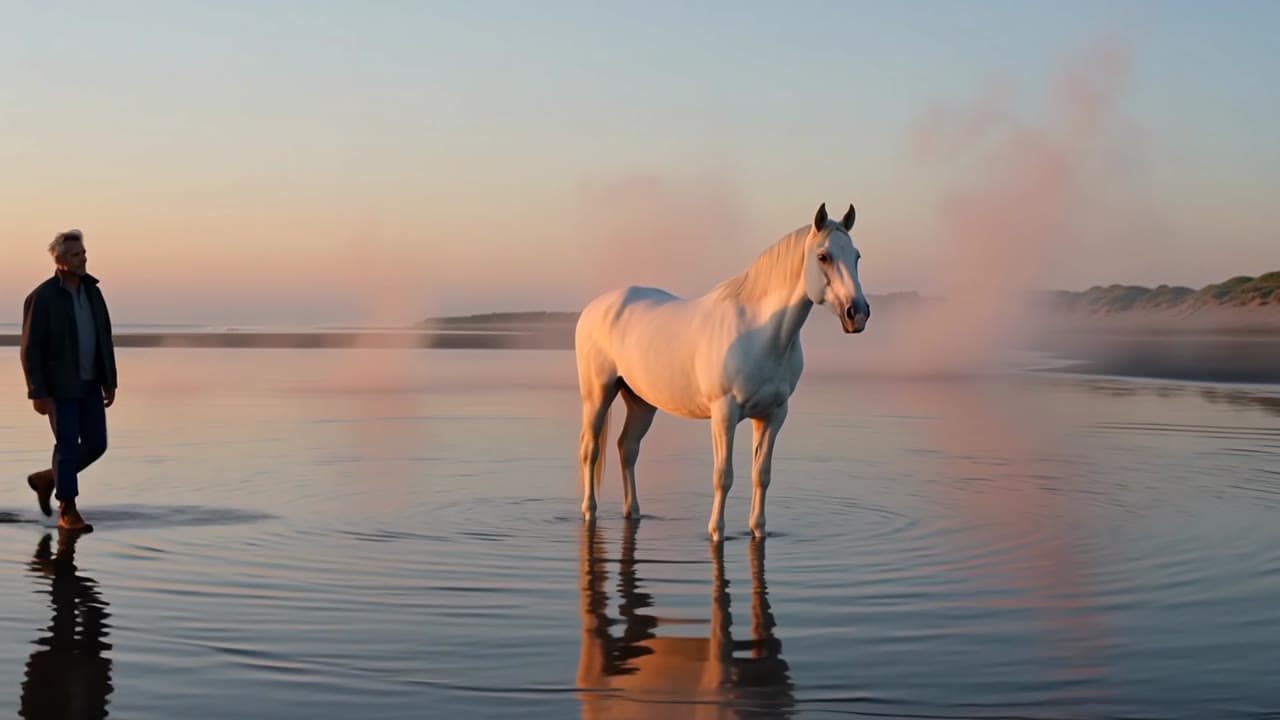






Top pick8.3
1
Seedance 2.0
ByteDance
Best fit
Image fidelity after motion
- Strong image fidelity after motion
- Good camera control from a still
- Practical clean product and subject preservation
Best for
Compare Seedance 2.0, Kling 3 Pro and Google Veo 3.1 for image-to-video before spending credits.
Seedance 2.0
Best overall
Best balance of image fidelity after motion for motion from approved images.
8.3
Score
Kling 3 Pro
Camera control from a still
Strong option for camera control from a still for motion from approved images.
8.2
Score
Google Veo 3.1
Clean product and subject preservation
Useful when you need clean product and subject preservation for motion from approved images.
7.9
Score
Model cards use the same visual language as the model pages, with the strongest engines shown first.
Scores combine quality, control, consistency, and cost efficiency.
ByteDance
Best fit
Image fidelity after motion
Kling by Kuaishou
Best fit
Camera control from a still
Best fit
Clean product and subject preservation
Alibaba
Best fit
Image fidelity after motion
ByteDance
Best fit
Camera control from a still
Luma AI
Best fit
Clean product and subject preservation
Best balance of image fidelity after motion for motion from approved images.
Best overall
Strong option for camera control from a still for motion from approved images.
Camera control from a still
Useful when you need clean product and subject preservation for motion from approved images.
Clean product and subject preservation
Useful when you need image fidelity after motion for motion from approved images.
Image fidelity after motion
Useful when you need camera control from a still for motion from approved images.
Camera control from a still
Useful when you need clean product and subject preservation for motion from approved images.
Clean product and subject preservation
Preview real output direction before making a decision.
Seedance 2.0 is useful when image fidelity after motion matters for image-to-video, with a clear path to compare quality, cost, and workflow fit before final delivery.
Kling 3 Pro is useful when camera control from a still matters for image-to-video, with a clear path to compare quality, cost, and workflow fit before final delivery.
Google Veo 3.1 is useful when clean product and subject preservation matters for image-to-video, with a clear path to compare quality, cost, and workflow fit before final delivery.
Happy Horse 1.1 is useful when image fidelity after motion matters for image-to-video, with a clear path to compare quality, cost, and workflow fit before final delivery.
Image-to-video is about preserving the source image while adding believable motion. The winning model should respect the input frame, avoid identity drift, create motion that fits the image, and let you control the ending when needed. This is different from pure text-to-video: the prompt is not inventing the entire scene, it is directing motion from an approved visual anchor.
Seedance 2.0 is the first place to start when the input image is only one part of a larger reference pack. It is stronger than Happy Horse on the balance of image quality, motion realism, and reference-guided generation, especially for polished production tests.
Veo 3.1 is a strong image-to-video choice when you want a clean, reviewable clip quickly. It tends to fit ad-style workflows: one approved product image, one clear camera move, one duration, and a prompt that explains what should move.
Kling 3 Pro is not just an image-to-video option; it is a control option. Use it when the still image needs to become part of a shot list. If the page, product, or character must appear across several beats, Kling 3 Pro's multi-prompt and Elements workflows are more relevant than a single image animation.
Happy Horse 1.0 remains useful when the workflow needs to stay unified across image-to-video, R2V references, V2V edits, native audio, and lip-sync. It is no longer the best pure quality pick, but it can reduce handoffs when the same asset needs several modes.
Seedance 2.0 is the best starting point for most image-to-video work because it is stronger on quality, motion, and reference guidance. Happy Horse 1.0 is useful when the same clip also needs native audio, lip-sync, R2V, or V2V.
Use image-to-video when you already have an approved subject, product, character, or style frame. Use text-to-video when you are still exploring the scene.
Start with Seedance 2.0, Kling 3 Pro, or Veo 3.1. Product work needs clean detail, stable framing, predictable movement, and a clear path to reference or edit passes.